The Wolf Pack Leader Who Spent Decades Disowning His Own Discovery
The Study That Changed Everything
In 1970, a young wildlife biologist named L. David Mech published research that would inadvertently reshape how Americans think about leadership, masculinity, and social hierarchies. His book "The Wolf: Ecology and Behavior of an Endangered Species" introduced the concept of the "alpha wolf" — the dominant pack leader who maintains control through aggression and intimidation.
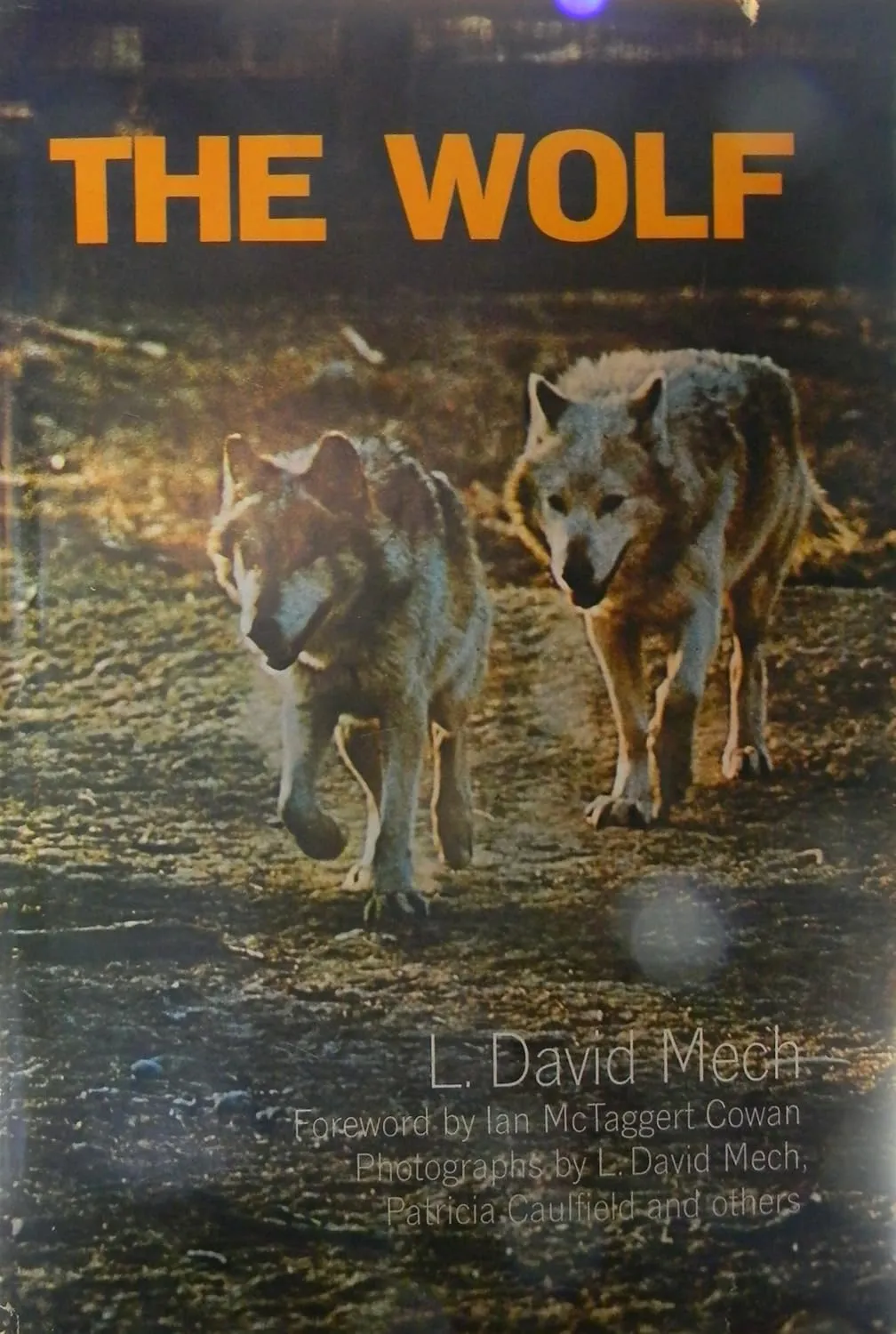 Photo: The Wolf: Ecology and Behavior of an Endangered Species, via m.media-amazon.com
 Photo: L. David Mech, via playback.fm
The idea took off like wildfire. Business schools taught alpha leadership principles. Self-help gurus built empires around alpha male confidence. Dating coaches promised to unlock your inner alpha. The wolf pack became the ultimate metaphor for human social dynamics.
There's just one problem: Dr. Mech has spent the last four decades publicly stating that his original research was fundamentally flawed.
What the Study Actually Showed
Mech's groundbreaking research wasn't conducted on wild wolves living in their natural family groups. Instead, he observed captive wolves — unrelated adults from different packs who had been artificially grouped together in enclosures. Imagine taking random strangers, locking them in a room together, and then drawing conclusions about how human families naturally organize themselves.
The captive wolves did indeed establish dominance hierarchies through aggressive confrontation, because they were essentially prison populations forced to compete for limited resources with wolves they'd never met. But this behavior bore no resemblance to how wolves actually live in the wild.
"The concept of the alpha wolf is particularly misleading," Mech wrote in a 1999 paper attempting to correct the record. "In natural wolf packs, the alpha male or female are merely the breeding pair, the parents of the pack, and dominance contests with other wolves are rare, if they exist at all."
How Wolf Families Really Work
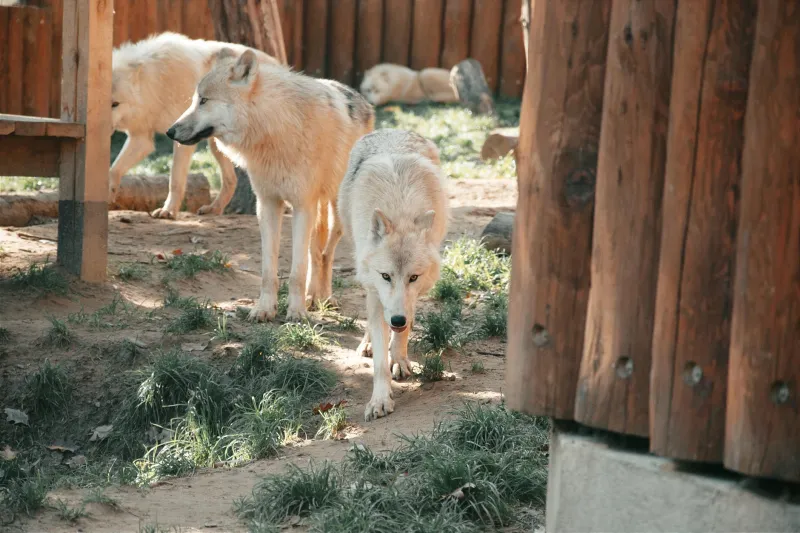
Wild wolf packs aren't military units led by the strongest, most aggressive individual. They're families. The "alphas" are simply the parents, and the rest of the pack consists of their offspring from various years. Young wolves don't challenge their parents for dominance any more than human teenagers typically try to overthrow their parents through physical combat.
The pack follows the parents not because they've been intimidated into submission, but because that's how family structures naturally work across countless species. The parents have experience, knowledge of territory, and established relationships with other packs. Their leadership is based on wisdom and social bonds, not fear.
When young wolves reach maturity, they don't fight their way to the top of an existing hierarchy. They leave to find mates and start their own families — their own packs — just like human children eventually move out of their parents' house.
The Myth That Wouldn't Die
Despite Mech's efforts to correct his own research, the alpha wolf concept had already escaped into popular culture. By the time he began publishing corrections in the 1990s, the idea had become foundational to entire industries.
Management consultants were teaching executives to be alpha leaders. Pickup artists were coaching men to display alpha behaviors to attract women. Dog trainers were advising pet owners to establish alpha dominance over their pets (another myth that animal behaviorists have thoroughly debunked).
The concept felt intuitive to Americans already steeped in individualistic, competitive cultural narratives. The idea that leadership comes from being the strongest, most aggressive person in the room aligned perfectly with existing beliefs about success and power.
Why Scientists Couldn't Kill the Monster They Created
Mech's situation illustrates a frustrating reality of scientific communication: correcting misinformation is infinitely harder than spreading it in the first place. His original book was written for a general audience and became widely available. His corrections were published in academic journals that most people never read.
The alpha male concept had also become commercially valuable. Self-help authors, business consultants, and lifestyle coaches had built careers around teaching alpha principles. Admitting the foundation was faulty would mean acknowledging that their expertise was based on a misunderstanding of captive animal behavior.
Mech even requested that his publisher stop printing the original book, but the damage was done. The myth had taken on a life of its own.
The Real Lesson About Leadership
The irony is that actual wolf behavior offers much better lessons about effective leadership than the alpha myth ever did. Real wolf pack leaders succeed through cooperation, communication, and caring for their group members. They make decisions based on the welfare of the entire family unit, not personal dominance.
These collaborative leadership principles align much more closely with what modern management research says about effective human leadership. The most successful leaders tend to be those who can build trust, facilitate teamwork, and create environments where others can thrive.
Moving Beyond the Alpha
Today, Dr. Mech continues his wolf research and advocacy, still occasionally giving interviews to explain why the alpha concept is scientifically inaccurate. At 87 years old, he's spent more of his career correcting his early work than he spent creating it.
The next time someone talks about alpha males or pack leadership, remember that the scientist who introduced these concepts to the world has spent decades trying to take them back. Maybe it's time we listened to him.