How Madison Avenue Convinced America That Common Rocks Were Worth Two Months' Salary

Before 1930: When Diamonds Meant Nothing
In 1930, only 10% of American engagement rings featured diamonds. Most couples chose sapphires, emeralds, or simple gold bands. Diamonds were considered flashy and inappropriate for serious occasions.
Then came the Great Depression, and diamond sales plummeted worldwide. The South African diamond company De Beers faced a crisis: they controlled most of the world's diamond supply, but nobody wanted to buy their product.
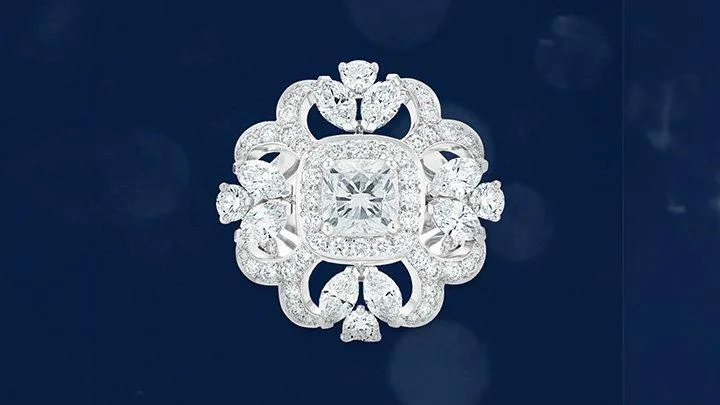 Photo: De Beers, via media.debeers.com
Enter Madison Avenue
In 1938, De Beers hired the N.W. Ayer advertising agency to solve their American problem. The brief was ambitious: create demand for a product that had no cultural significance in the United States.
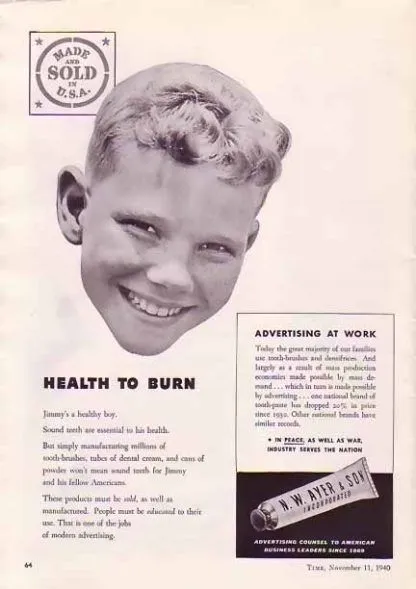 Photo: N.W. Ayer, via i.pinimg.com
Ayer's strategy was brilliant and unprecedented. Instead of selling diamonds, they would sell the idea that diamonds were essential to love itself.
The campaign began subtly. Ayer placed stories in magazines and newspapers about European royalty giving diamond engagement rings. They sent diamonds to movie stars and photographed them wearing the jewelry to premieres and parties.
Most importantly, they coined a slogan that would reshape American culture: "A Diamond Is Forever."
The Psychology of Forever
That four-word phrase solved De Beers' biggest problem: diamonds have no resale value. Unlike gold or other precious metals, a diamond loses 50% of its retail value the moment you leave the jewelry store.
But if a diamond is "forever," you're not supposed to sell it. The slogan transformed this economic weakness into a romantic strength. Selling your engagement ring became not just financially foolish but emotionally treasonous.
Ayer's team studied American psychology carefully. They discovered that Americans associated permanence with authenticity. If something lasted forever, it must be real, valuable, and meaningful.
Manufacturing Tradition
The campaign's second phase targeted young women directly. Ayer created educational materials for high schools that taught girls about "proper" engagement ring etiquette. They sponsored articles in women's magazines explaining the "ancient tradition" of diamond engagement rings — a tradition they had invented five years earlier.
They also established the "two months' salary" rule. This wasn't based on any economic principle or cultural norm. It was simply the price point that maximized De Beers' revenue while remaining psychologically acceptable to American consumers.
By 1945, 85% of American engagement rings featured diamonds. A 15-year marketing campaign had completely rewritten the rules of American romance.
The Global Rollout
De Beers' success in America proved their model worked. They exported the diamond engagement ring concept worldwide, adapting the messaging for different cultures.
In Japan, they emphasized Western sophistication and modernity. In Brazil, they focused on family traditions and Catholic values. Each campaign was carefully crafted to make diamonds feel like an ancient, essential part of that culture's marriage customs.
Today, the diamond engagement ring tradition exists in countries where it would have been completely foreign 70 years ago.
The Scarcity Illusion
Perhaps the campaign's greatest achievement was convincing Americans that diamonds are rare. They're not.
Geologically, diamonds are relatively common. The global supply is artificially constrained through careful production controls and strategic stockpiling. De Beers has historically controlled this supply chain so effectively that they've been able to maintain high prices despite abundant natural reserves.
When new diamond deposits are discovered, they're often purchased by existing producers and developed slowly to avoid flooding the market. The "rarity" of diamonds is economic, not geological.
Why the Myth Persists
Three generations of Americans have grown up believing that diamond engagement rings are a timeless tradition. Questioning this belief feels like questioning love itself.
The diamond industry has also evolved beyond De Beers. Today's marketing emphasizes ethical sourcing, unique cuts, and personal expression. But the fundamental premise — that diamonds are necessary to demonstrate commitment — remains unchanged.
Social media has amplified the pressure. Instagram engagement photos featuring elaborate diamond rings create new expectations for each generation of couples.
The Numbers Don't Lie
The average American engagement ring costs $5,500 — roughly two months' salary for a median-income worker, exactly as De Beers planned in 1938. Americans spend $3 billion annually on engagement rings, with 75% featuring diamonds.
Meanwhile, the resale market for diamonds remains virtually nonexistent. Jewelers rarely buy back diamonds at anything approaching retail prices, and online marketplaces are flooded with rings selling for fractions of their original cost.
The Real Tradition
The tradition of giving engagement rings dates back to ancient Rome, but those rings were typically made of iron or simple gold. The idea that they should feature expensive stones is entirely modern.
Many cultures have meaningful marriage traditions that don't involve diamonds at all. The American fixation on diamond engagement rings is an anomaly, not a universal human custom.
Recognizing this doesn't diminish the genuine love and commitment that engagement rings represent. It simply reveals how successfully marketers can create "traditions" that feel ancient and inevitable, even when they're neither.