Decades of Halloween Candy Panic Were Built on Almost No Real Evidence
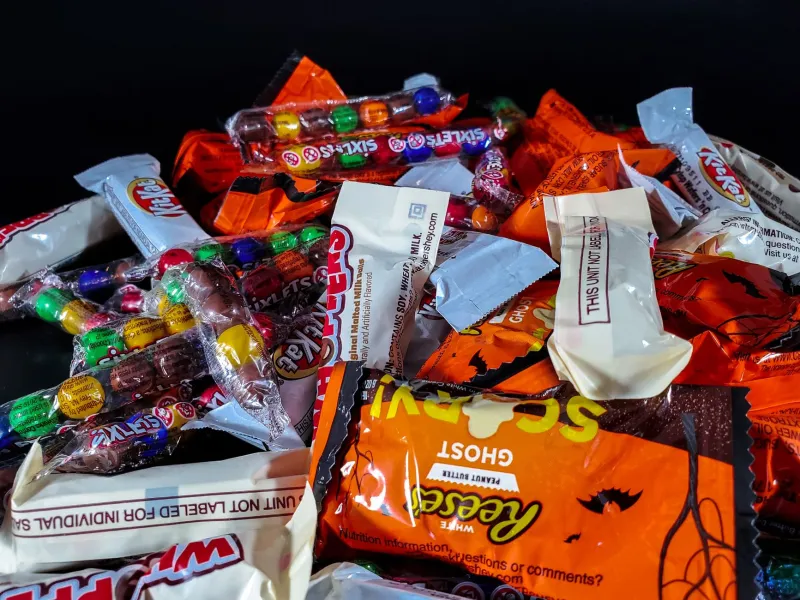
Every October, the warnings start circulating again. Check the wrappers. Throw out anything unwrapped. Watch for puncture marks. Avoid homemade treats from strangers. For millions of American families, sorting through a child's Halloween candy for signs of tampering is as much a part of the holiday as the costumes themselves — a ritual so deeply ingrained that questioning it feels almost irresponsible.
But when researchers actually went looking for the epidemic of poisoned and booby-trapped Halloween candy, they found something unexpected: it was almost entirely a myth.
The Fear That Built a Ritual
The idea that Halloween candy posed a serious danger from malicious strangers began gaining real traction in the early 1970s. News coverage of supposed tampering incidents started appearing with increasing frequency, and by the mid-'70s, hospitals in cities like Chicago and New York were offering free X-rays of Halloween candy. Some municipalities handed out pamphlets. Local news segments became an annual fixture.
The cultural anxiety made a certain kind of sense in context. The early 1970s were a period of genuine social unease — urban crime was rising, trust in institutions was fraying post-Vietnam and post-Watergate, and the cozy image of safe suburban neighborhoods was starting to feel more fragile. Halloween candy tampering fit neatly into a broader story Americans were already telling themselves about strangers and danger.
The problem was that the actual evidence for widespread candy tampering was almost impossible to find.
What the Research Actually Turned Up
The most thorough investigation of the Halloween candy panic was conducted by sociologist Joel Best, who began systematically reviewing newspaper reports of candy tampering incidents going back to 1958. Best and his colleagues examined every case they could document over several decades.
 Photo: Joel Best, via i.ytimg.com
What they found was striking. In the vast majority of reported cases, the injuries either couldn't be verified, turned out to have innocent explanations, or — in a significant number of instances — were found to have been staged by the children themselves or by family members.
Best identified exactly two deaths that had been connected to Halloween candy in all the years he studied. One case, from 1974, involved a Texas child named Timothy O'Bryan who died after eating cyanide-laced candy. Investigators determined the candy had been poisoned not by a stranger but by the boy's own father, Ronald O'Bryan, who had taken out life insurance policies on his children shortly before Halloween. Ronald O'Bryan was convicted of murder and executed in 1984. The candy didn't come from a stranger's house — it was planted by a parent for financial gain.
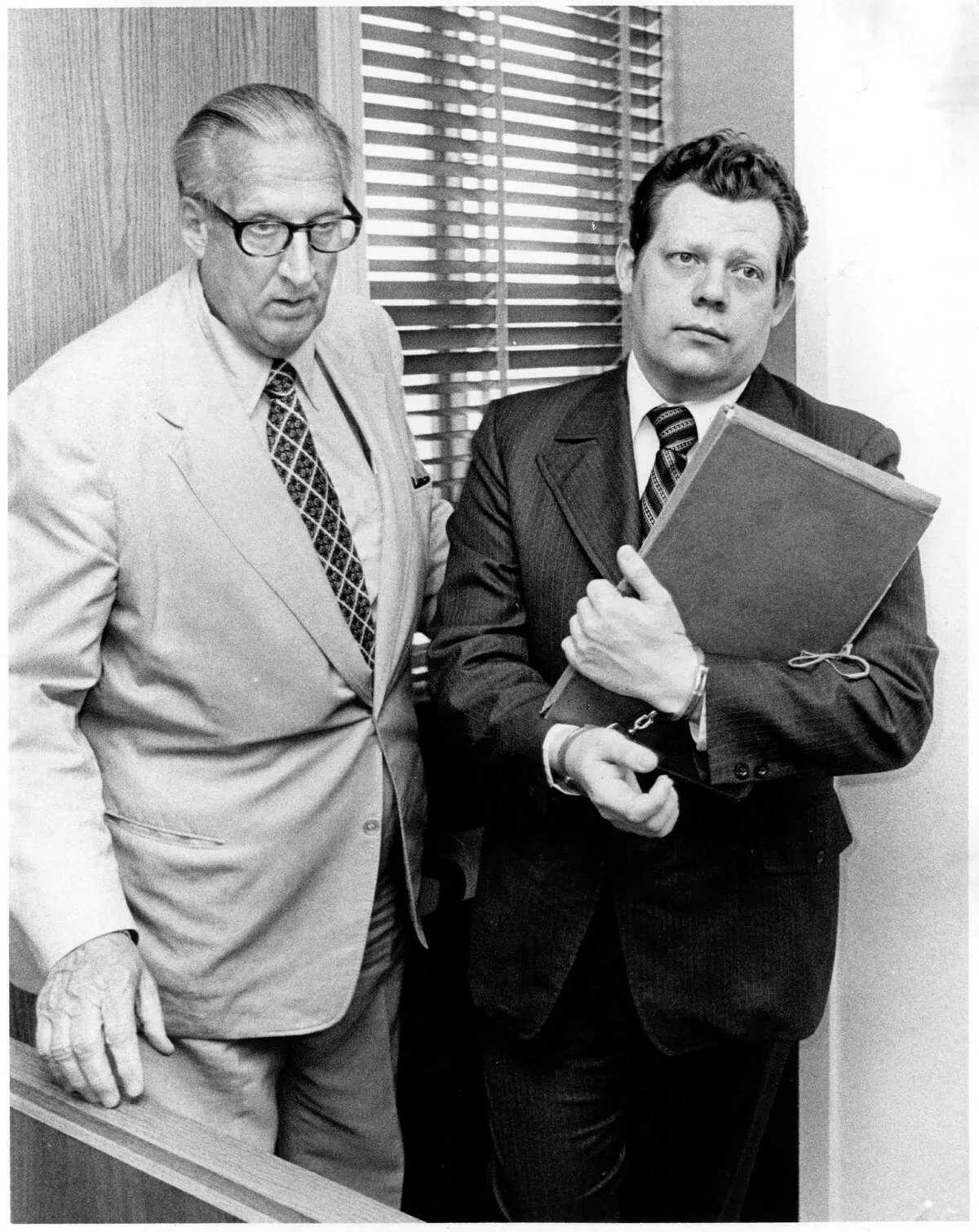 Photo: Ronald O'Bryan, via s.hdnux.com
The second death Best identified also turned out, upon investigation, to involve candy that had been contaminated within the family, not by an anonymous stranger with a grudge against trick-or-treaters.
In other words, the scenario that the annual warnings were designed to prevent — a stranger deliberately poisoning random children's Halloween candy — had essentially no documented cases in the entire historical record Best examined.
How the Panic Grew Anyway
So how did a danger that barely existed become one of the most persistent safety warnings in American parenting culture?
Several forces worked together. Local news, which exploded in reach and competition during the 1970s and '80s, found that Halloween tampering stories were reliable seasonal content. They were scary, they were timely, and they required almost no verification — a parent reporting that their child's candy looked suspicious was enough to generate a segment. The stories spread and accumulated, each year's coverage referencing previous years' warnings as if they constituted an established pattern.
Hospitals and civic organizations that offered candy X-rays were acting in good faith, but their participation also implicitly validated the threat. If hospitals were scanning candy, the danger must be real — that was the reasonable inference for any parent watching the news.
The candy industry had its own complicated relationship with the panic. Individually wrapped, commercially produced candy became the "safe" option, while homemade treats from neighbors were cast as suspect. This wasn't a deliberate marketing strategy, but the effect was real: the panic reinforced the preference for factory-sealed products over anything made at home.
And once the ritual of candy inspection was established as responsible parenting, it became self-reinforcing. Skipping it felt negligent, regardless of what the actual risk data showed.
What the Real Risks of Halloween Actually Were
Here's the genuinely uncomfortable part of this story. While parents were focused on the nearly nonexistent threat of poisoned candy, the actual dangers of Halloween night were hiding in plain sight.
Researchers who studied Halloween injury data consistently found that children were two to four times more likely to be struck by a car on Halloween night than on a typical evening. Dark costumes, distracted kids crossing streets mid-block, reduced visibility for drivers — these were the factors that produced real injuries and deaths every year. The pedestrian risk was documented, measurable, and largely preventable with reflective tape and adult supervision near traffic.
The candy inspection ritual, meanwhile, was protecting children from a threat that researchers struggled to find evidence of at all.
Why the Myth Has Staying Power
Joel Best has described the Halloween candy panic as a "golem" — a creature that took on a life of its own independent of the facts that supposedly created it. Once a fear becomes ritualized, it stops needing evidence to survive. It gets passed down as received wisdom, reinforced by annual media coverage, and treated as common sense.
There's also something psychologically specific about food tampering that makes it especially sticky as a fear. The idea that something meant to be a treat — something your child is supposed to enjoy — could be secretly poisoned by a smiling neighbor taps into a deep and ancient anxiety about hidden malice. It's the same structure as a fairy tale villain. It doesn't need to be statistically likely to feel terrifying.
The Takeaway
The Halloween candy panic is one of the more well-documented cases of a nearly evidence-free fear becoming a permanent fixture of American life. The real risks of Halloween have always been on the street, not in the candy bag. That doesn't mean parents shouldn't pay attention on Halloween night — it just means the attention might be better directed at the road than the wrapper.