Your Sunscreen Bottle Contains Ingredients the FDA Has Never Actually Approved

The Assumption Everyone Makes
Walk into any drugstore in America and you'll find dozens of sunscreen options promising protection from harmful UV rays. Most contain chemical filters with names like oxybenzone, avobenzone, or octisalate. Millions of Americans apply these products daily, assuming that anything sold legally must have been thoroughly tested and approved as safe.
That assumption is wrong.
Since 2019, the Food and Drug Administration has maintained an official position that might surprise most sunscreen users: only two active ingredients — zinc oxide and titanium dioxide — are currently recognized as both safe and effective. The other 12 commonly used chemical filters? The FDA says there simply isn't enough data to make that determination.
 Photo: Food and Drug Administration, via st3.depositphotos.com
How We Got Into This Regulatory Limbo
The sunscreen situation stems from a quirk in how the FDA regulates over-the-counter drugs. Most chemical sunscreen ingredients were grandfathered in under old regulations from the 1970s, when safety standards were different and testing requirements were less stringent.
For decades, this wasn't seen as a problem. Chemical sunscreens had been used widely without obvious immediate harm, and the benefits of UV protection seemed to outweigh theoretical risks. But as analytical technology improved, scientists began detecting these chemicals in blood, urine, and even breast milk after typical sunscreen use.
In 2019, FDA researchers published a study showing that four common chemical filters — avobenzone, oxybenzone, octocrylene, and ecamsule — were absorbed into the bloodstream at levels far higher than the agency's safety threshold after just one day of use. This wasn't necessarily dangerous, but it triggered a requirement for manufacturers to provide additional safety data.
The manufacturers haven't provided that data yet.
What 'Insufficient Data' Actually Means
When the FDA says there's insufficient data on chemical sunscreen ingredients, it's not declaring them dangerous. It's acknowledging a gap in knowledge that modern safety standards demand be filled.
The concern isn't that these chemicals will immediately harm you — it's that we don't know what happens when they're absorbed into your body over years or decades of regular use. Some studies have raised questions about potential hormone disruption, but the research is still preliminary and conflicting.
Dr. Janet Woodcock, former FDA acting commissioner, put it bluntly: "Just because an ingredient has been used for a long time doesn't mean we shouldn't ask questions about its safety."
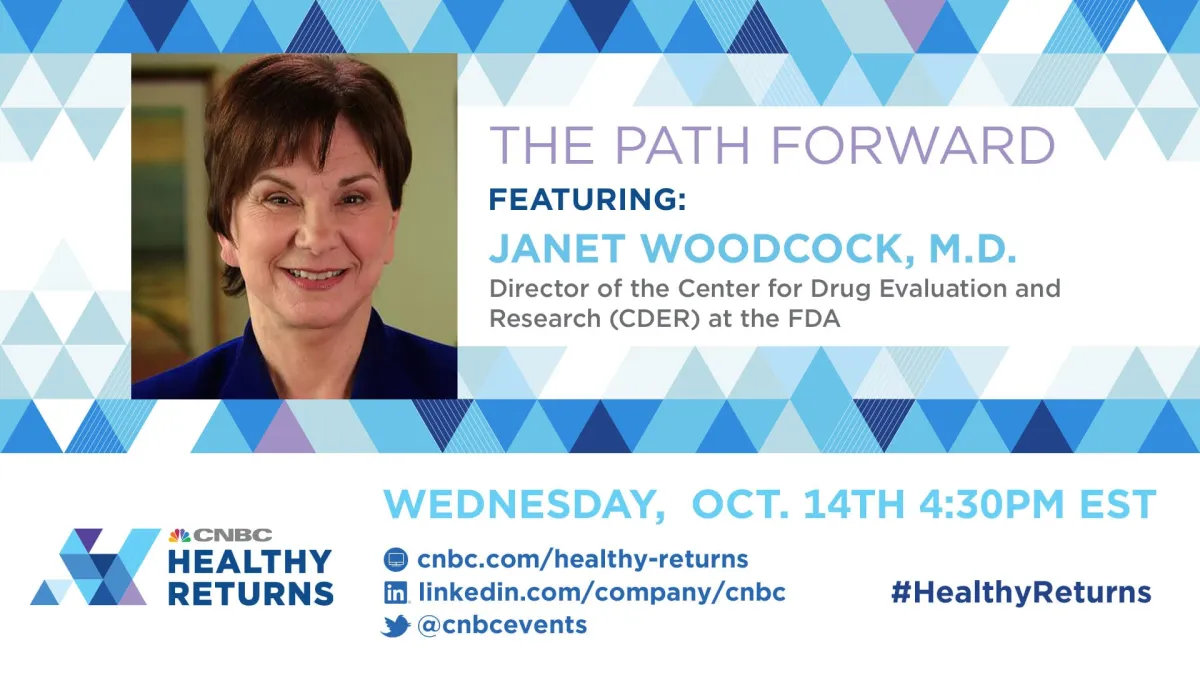 Photo: Dr. Janet Woodcock, via image.cnbcfm.com
The Dermatology Community's Response
Dermatologists find themselves in an awkward position. They know that UV radiation definitively causes skin cancer and premature aging. They also know that chemical sunscreens, whatever their unknowns, provide measurable protection against these proven harms.
Most dermatology organizations continue to recommend daily sunscreen use, including chemical formulations, while the safety questions are being resolved. Their reasoning: the established benefits of UV protection outweigh the theoretical risks of chemical absorption.
"We're not going to stop recommending sunscreen because of hypothetical concerns," says Dr. Henry Lim, former president of the American Academy of Dermatology. "But we do need better data."
 Photo: American Academy of Dermatology, via seekvectorlogo.com
Why Mineral Sunscreens Are Different
Zinc oxide and titanium dioxide work differently from chemical filters. Instead of absorbing into the skin and converting UV radiation to heat, these mineral ingredients sit on top of the skin and physically block UV rays like tiny mirrors.
Because they're not absorbed systemically, the FDA considers them safe based on decades of topical use. They're also less likely to cause allergic reactions or skin irritation.
The downside? Mineral sunscreens can be harder to rub in, may leave a white cast on darker skin tones, and historically felt heavier and greasier than chemical formulations. Recent innovations have addressed many of these cosmetic concerns, but consumer preferences die hard.
The International Perspective
The U.S. sunscreen market is actually behind much of the world when it comes to both innovation and regulation. European and Asian countries have approved newer chemical filters that appear to have better safety profiles, but the FDA's approval process for new sunscreen ingredients is notoriously slow.
Some newer European chemical filters have been waiting for U.S. approval for over a decade. This means American consumers are stuck with older chemical formulations while the safety questions get sorted out.
What This Means for Your Daily Routine
The sunscreen situation illustrates the difference between "not proven dangerous" and "proven safe" — a distinction that matters when you're talking about daily, long-term use.
If you're comfortable with some uncertainty, chemical sunscreens remain widely recommended by dermatologists and provide excellent UV protection. If you prefer products with more established safety data, mineral sunscreens with zinc oxide or titanium dioxide are your best bet.
What you shouldn't do is skip sunscreen entirely. The cancer-causing effects of UV radiation are well-documented and immediate, while any potential risks from chemical sunscreen ingredients remain theoretical and unproven.
The Bigger Picture
The sunscreen controversy highlights how consumer products can exist in regulatory gray areas for decades before safety standards catch up. It's a reminder that "FDA approved" and "generally recognized as safe" aren't always the same thing.
As the FDA continues to review sunscreen ingredients, manufacturers will eventually need to provide the safety data that modern standards require. Until then, Americans are essentially participating in a decades-long safety study every time they apply chemical sunscreen.
The good news? You have options. The better news? Whatever sunscreen you choose is almost certainly safer than going without any UV protection at all.