Scientists Proved Shaving Doesn't Make Hair Thicker in 1928 — Yet Somehow Everyone Still Believes It Does
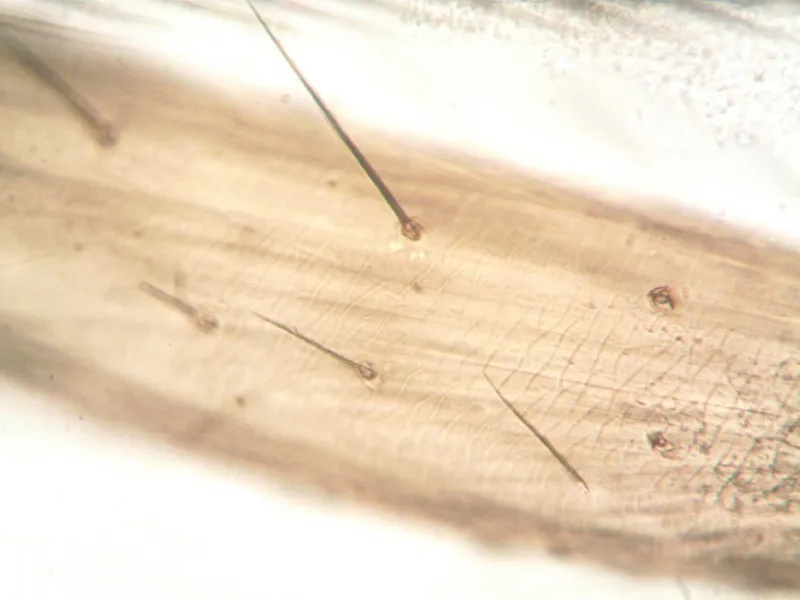
The Myth That Survived a Century of Science
Ask any parent about their teenager's first shave, and you'll likely hear some version of the same warning: "Once you start shaving, the hair will grow back thicker and darker. Are you sure you're ready for that?" This piece of conventional wisdom has been passed down through generations of American families, embedded in coming-of-age conversations and whispered among friends comparing notes about body hair.
There's just one problem: it's been scientifically proven false since 1928.
That's right — researchers have been testing and debunking the shaving-makes-hair-thicker myth for nearly 100 years. Yet surveys consistently show that roughly 85% of Americans still believe it's true. How does a misconception survive a century of contradicting evidence?
The Study That Should Have Ended This
In 1928, four researchers at the University of Rochester published what should have been the definitive word on shaving and hair growth. They recruited volunteers, carefully measured hair diameter and growth rates before shaving, then tracked the same measurements for months afterward.
 Photo: University of Rochester, via www.rochester.edu
Their conclusion was unambiguous: shaving had no effect on hair thickness, growth rate, or color. The study was replicated multiple times over the following decades, with increasingly sophisticated measurement tools, and the results never changed.
By the 1970s, dermatologists had access to microscopic measurement techniques that could detect differences in hair diameter down to micrometers. Study after study confirmed the same thing: a razor cannot alter the fundamental structure of hair follicles, which exist beneath the skin's surface where the blade never reaches.
The Optical Illusion That Fools Everyone
If shaving doesn't actually change hair, why does freshly shaved hair feel and look so different when it grows back? The answer lies in understanding how hair naturally tapers.
When hair grows naturally, it develops a tapered end — thin and soft at the tip, gradually becoming thicker toward the root. This taper develops through normal wear: washing, brushing, sun exposure, and general friction all gradually thin the hair shaft's end.
When you shave, you slice through the hair shaft at its thickest point, near the skin's surface. The new growth emerges with that blunt, thick end first — creating the illusion that the entire hair has become thicker and coarser.
It's the difference between looking at the pointed end of a pencil versus looking at the eraser end. Same pencil, dramatically different appearance.
Why Dark Hair Looks Darker
The color illusion has an equally simple explanation. Hair color comes from melanin pigments that are most concentrated in the hair's core. As hair grows and ages, sun exposure and chemical processes gradually bleach these outer layers, making the hair appear lighter.
Freshly shaved hair hasn't had time for this natural lightening process. You're seeing the hair's true, unbleached color — which appears darker than the sun-faded hair you're used to seeing.
This effect is most dramatic with dark hair, which explains why the myth is particularly persistent among people with brown or black hair. Blonde hair shows less dramatic color changes, so the illusion is less convincing.
How the Myth Became Parental Wisdom
The persistence of this myth reveals something fascinating about how misinformation spreads and survives. Unlike many modern myths that spread through social media, the shaving myth predates mass communication. It spread through the most trusted information network humans have: family advice passed from parent to child.
This creates a particularly resilient form of misinformation. When your mother or father tells you something about your own body, based on their direct observation and experience, it carries more weight than abstract scientific studies. The fact that the "evidence" seems to support the claim — shaved hair really does look and feel different — makes the myth feel obviously true.
The Adolescent Laboratory
The myth gets reinforced at the perfect time: adolescence, when young people are hyperfocused on body changes and when hair growth is naturally accelerating due to hormonal changes. A teenager who starts shaving during puberty will indeed notice their hair becoming thicker and darker over time — but that's because of testosterone and other growth hormones, not because of the razor.
This timing creates what researchers call "correlation without causation." The shaving and the hair changes happen simultaneously, so the brain naturally assumes one caused the other.
Adolescents also tend to pay much more attention to their appearance after they start shaving, noticing details about their hair that they never observed before. This increased scrutiny makes normal variations in hair growth seem more dramatic and meaningful.
What Actually Affects Hair Texture
While shaving doesn't change hair, several factors genuinely do affect hair thickness and growth:
Hormones are the biggest factor. Testosterone, in particular, can increase hair diameter and growth rate, which is why men's facial hair often becomes coarser during their twenties and thirties. Pregnancy, menopause, and certain medications can also alter hair characteristics.
Genetics play a major role in determining hair texture, color, and growth patterns. Age naturally changes hair structure — most people's hair becomes finer and grows more slowly as they get older.
Nutrition and health conditions can affect hair growth, though usually in terms of strength and growth rate rather than thickness.
The Stubble Factor
One reason the myth persists is that shaved hair does feel different — not because it's actually thicker, but because short, blunt-cut hair feels coarser against skin than longer, tapered hair. This tactile difference reinforces the visual illusion.
Stubble also tends to appear darker because short hairs cast different shadows than longer ones, and because you're seeing more hair follicles per square inch of skin.
Breaking the Cycle
The shaving myth serves as a perfect case study in how misconceptions survive contradictory evidence. It combines several powerful psychological factors: trusted sources (parents), seemingly confirmatory evidence (hair really does look different), perfect timing (adolescence), and emotional significance (body image concerns).
Understanding these factors helps explain why simply presenting scientific evidence often isn't enough to change deeply held beliefs. The myth feels true because the optical illusion is convincing, and it comes from trusted sources during a vulnerable time.
The next time someone warns you about shaving making hair thicker, you can share the real story: scientists figured this out in 1928, and your hair follicles are too deep under your skin for a razor to reach them anyway. What you're seeing isn't thicker hair — it's just hair without its natural taper, appearing exactly as nature made it before wear and weather had a chance to thin the ends.
Sometimes the most persistent myths are the ones that feel too obvious to question.