Your Parents' War on Germs May Have Backfired in Ways Science Is Still Discovering
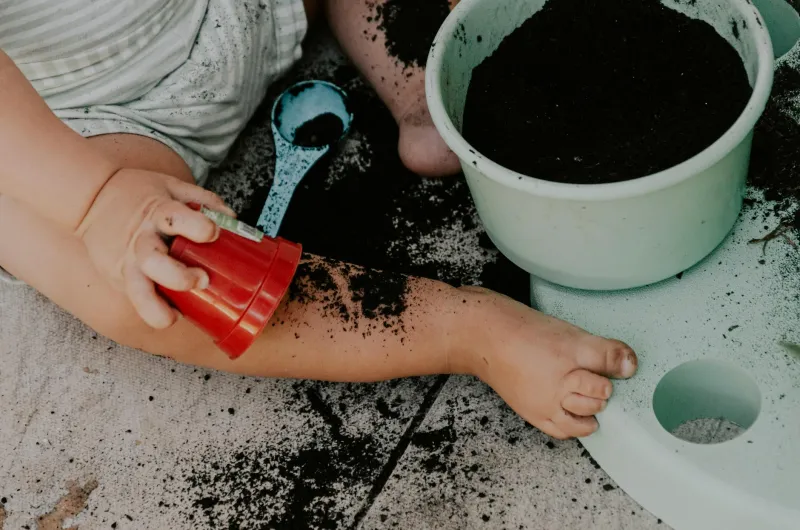
The Promise That Started a Revolution
Walk down any grocery store aisle and you'll see the legacy of the 1990s antibacterial revolution: hand sanitizers, antimicrobial dish soap, and cleaning products that promise to "kill 99.9% of germs." For an entire generation of American parents, these products represented the ultimate protection for their children.
The logic seemed bulletproof: germs cause illness, so eliminating germs prevents illness. Marketing campaigns reinforced this belief with images of sparkling clean kitchens and healthy, smiling families. But three decades later, scientists are uncovering an uncomfortable truth about our war on microbes.
When Clean Becomes Too Clean
The numbers tell a troubling story. Since the 1980s, childhood asthma rates in the United States have nearly tripled. Food allergies have increased by 50% between 1997 and 2011 alone. Autoimmune conditions like Type 1 diabetes and inflammatory bowel disease are appearing in children at unprecedented rates.
These trends coincide almost perfectly with America's embrace of antimicrobial everything. It's not a coincidence, according to a growing body of research known as the "hygiene hypothesis."
Dr. David Strachan first proposed this theory in 1989 after noticing that children with older siblings had fewer allergies than firstborns. His explanation was revolutionary: early exposure to infections might actually protect against allergic diseases later in life.
 Photo: Dr. David Strachan, via glreview.org
How Your Immune System Learns
Think of your immune system as an overeager security guard that needs training. Without proper instruction, it might attack harmless visitors while missing real threats.
During the first few years of life, your immune system encounters thousands of microbes and learns to distinguish between helpful bacteria, harmless environmental particles, and genuine threats. This process requires actual exposure to develop properly.
When children grow up in ultra-sanitized environments, their immune systems never get this crucial education. Instead of learning to tolerate common allergens like peanuts or pollen, untrained immune systems may treat them as dangerous invaders, launching the inflammatory responses we call allergies.
Researchers have found that children who grow up on farms, with pets, or in larger families consistently show lower rates of allergies and asthma. The common factor? Early exposure to diverse microbes.
The Antibacterial Soap Experiment Nobody Planned
The widespread adoption of antibacterial products created an unintentional natural experiment across American households. Companies like Procter & Gamble spent millions convincing parents that regular soap wasn't enough.
 Photo: Procter & Gamble, via logodix.com
But here's what the marketing didn't mention: the Food and Drug Administration found no evidence that antibacterial soaps work better than regular soap and water for preventing illness in healthy people. In 2016, the FDA actually banned 19 antibacterial ingredients, citing safety concerns and lack of effectiveness.
Meanwhile, research began showing that triclosan, the active ingredient in many antibacterial products, might be disrupting hormone function and contributing to antibiotic resistance.
The Microbiome Revolution
Recent advances in microbiome research have revealed just how essential bacteria are to human health. Your body hosts trillions of microbes that help digest food, produce vitamins, and train your immune system. This bacterial ecosystem, established primarily in early childhood, influences everything from mood to metabolism.
Children born via C-section, who miss exposure to beneficial bacteria in the birth canal, show higher rates of allergies and asthma. Similarly, babies who receive antibiotics in their first year of life face increased allergy risks later.
These findings suggest that our microbial relationships aren't just important—they're fundamental to proper immune development.
Why the Myth Persists
The "cleaner is always better" mentality persists because it feels intuitively correct. Nobody wants their child to get sick, and visible cleanliness provides psychological comfort to anxious parents.
The COVID-19 pandemic has reinforced these instincts, making hand sanitizer a permanent fixture in American life. But infectious disease prevention and immune system development operate by different rules.
Cleaning to prevent serious infectious diseases makes perfect sense. The problem arises when we extend that logic to every microbe a child might encounter during normal development.
Finding the Balance
This doesn't mean abandoning hygiene altogether. Basic cleanliness prevents serious infectious diseases and food poisoning. The key is distinguishing between protective cleaning and counterproductive sterilization.
Washing hands before eating and after using the bathroom remains important. But using antibacterial soap for every minor mess, or sanitizing every surface a toddler might touch, may do more harm than good.
Some pediatricians now recommend what they call "selective hygiene": maintaining cleanliness where it matters for preventing serious illness while allowing children normal exposure to environmental microbes.
The Takeaway
The next time you reach for that antibacterial soap, remember that your immune system evolved alongside microbes for millions of years. The idea that we could eliminate them entirely without consequences was always more marketing fantasy than medical reality.
A little dirt might be exactly what your immune system ordered.