The 'Starving Artist' Myth Started in 1840s Paris — and It Was Marketing All Along
The Story We Tell Ourselves
Every year, thousands of American college graduates face the same conversation with concerned relatives: "Art degree? Well, I hope you're prepared to be poor." The assumption runs so deep it feels like natural law — creativity and financial success are somehow incompatible, and choosing art means choosing struggle.
This narrative shapes everything from parental advice to arts funding policy. We've internalized the idea that "real" artists must suffer for their craft, that commercial success corrupts artistic integrity, and that the most authentic creative work emerges from garrets and coffee shops, not comfortable studios or steady paychecks.
But what if this entire framework is based on a 19th-century marketing campaign that got way out of hand?
The Birth of Bohemia
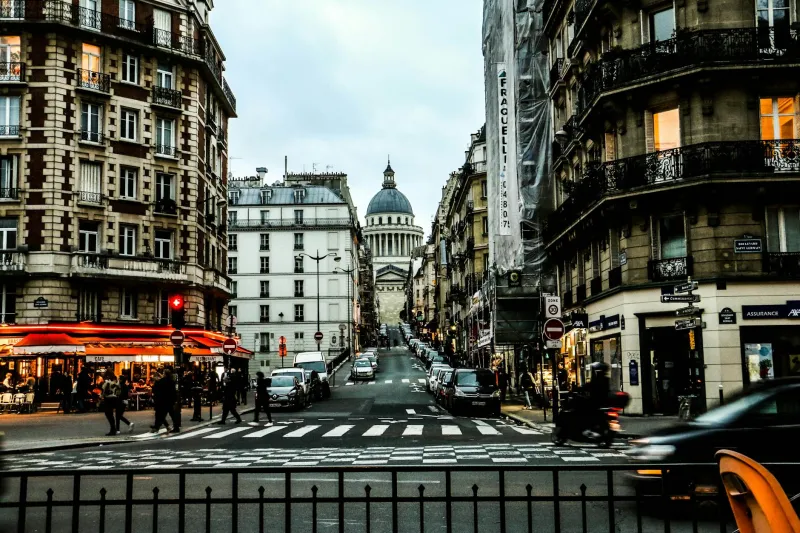
The "starving artist" archetype has a surprisingly specific origin story. It began in 1840s Paris, in the Latin Quarter, where a group of young writers and artists were trying to make names for themselves in an increasingly competitive cultural marketplace. These weren't actually destitute creators — many came from middle-class families and had financial safety nets. But they discovered that playing up their poverty made for better storytelling.
The key figure was Henri Murger, whose semi-autobiographical stories about impoverished Parisian artists became the novel "Scènes de la vie de bohème" in 1851. Murger's tales of brilliant young creators choosing art over commerce, love over security, and passion over practicality weren't just literature — they were lifestyle branding. He was essentially creating the first influencer content, romanticizing a deliberately precarious existence for an audience of bourgeois readers who found it thrilling.
The marketing worked brilliantly. Murger's book became a bestseller, inspiring Puccini's opera "La Bohème" and launching a thousand imitations. The image of the romantic, suffering artist — too pure for the corrupting influence of money — became a cultural export that spread far beyond Paris.
Hollywood's Amplification
What started as French literary marketing got a massive boost from 20th-century American entertainment. Hollywood loved the starving artist narrative because it provided ready-made drama and clear moral stakes. Movies like "Moulin Rouge" and "An American in Paris" cemented the association between artistic authenticity and financial struggle.
The myth became self-reinforcing through popular culture. TV shows and movies consistently portrayed successful artists as either sellouts or tragic figures whose commercial success came at the cost of their souls. Meanwhile, "true" artists were shown living in atmospheric poverty, their suffering validating their creative authenticity.
This narrative served multiple functions in American culture. It justified low funding for arts education and cultural programs ("artists are supposed to be poor anyway"). It provided a romantic framework for understanding economic inequality in creative fields. And it offered a kind of moral consolation prize — if you couldn't make money from your art, at least you were keeping it "pure."
What the Numbers Actually Show
Modern data on working artists tells a completely different story. The Bureau of Labor Statistics tracks earnings across creative professions, and the results are far more varied and encouraging than the starving artist myth suggests.
Graphic designers, for instance, earn a median salary of about $50,000 annually — not wealthy, but solidly middle class. Industrial designers average closer to $70,000. Even traditionally "struggling" fields show significant variation: while some musicians work multiple jobs to make ends meet, others earn comfortable livings through teaching, session work, or commercial music production.
The National Endowment for the Arts' comprehensive studies of artist employment reveal that creative professionals are more likely to be self-employed than other workers, but they're not necessarily poorer. They often have more variable income streams, combining teaching, commissions, grants, and day jobs in ways that don't fit traditional employment models.
Perhaps most tellingly, geographic location matters enormously. A freelance graphic designer in rural Kentucky faces very different economic realities than one in Seattle or Austin. The "starving artist" narrative ignores these practical factors in favor of romantic generalizations.
The Hustle Economy Reality
Today's creative professionals operate more like entrepreneurs than the bohemian archetypes of popular imagination. Successful artists typically develop multiple revenue streams: teaching workshops, licensing their work, taking commissions, selling prints online, or consulting for businesses. They use social media for marketing, crowdfunding for projects, and digital platforms for distribution.
This reality doesn't fit the starving artist narrative, which assumes creativity and business acumen are mutually exclusive. Modern creative careers often require exactly the kind of strategic thinking and market awareness that the bohemian myth explicitly rejects.
The most successful contemporary artists — from Instagram illustrators to YouTube musicians to indie game developers — combine artistic vision with entrepreneurial skills. They understand their audiences, diversify their income, and treat their creativity as both passion and profession.
Why the Myth Persists
If the data shows a more complex picture, why does the starving artist narrative remain so powerful? Partly because it serves economic interests that benefit from keeping artist wages low. If society believes artists are "supposed" to struggle, there's less pressure to pay them fairly or fund arts programs adequately.
The myth also provides psychological comfort. It suggests that financial struggle is meaningful rather than simply difficult, that poverty indicates artistic integrity rather than systemic underfunding. For artists facing real economic challenges, the narrative offers a framework for understanding their situation as noble rather than simply unfair.
There's also the selection bias problem. The artists we hear about in popular culture are either the extremely successful ones or the dramatically unsuccessful ones. The middle ground — creative professionals making decent livings through skill, persistence, and business sense — doesn't make for compelling stories.
Rewriting the Script
The starving artist myth isn't just wrong — it's actively harmful. It discourages talented people from pursuing creative careers, perpetuates the undervaluing of artistic work, and provides cover for inadequate arts funding and education.
Maybe it's time for a new narrative: one that acknowledges the real challenges of creative careers while recognizing that financial stability and artistic integrity aren't mutually exclusive. After all, it's hard to create your best work when you're genuinely worried about paying rent.
The bohemian writers of 1840s Paris were onto something, but not what they intended. They proved that artists could be excellent marketers and savvy entrepreneurs. Perhaps that's the real lesson we should take from their story.