The Genius Myths We Tell Our Kids Are Sabotaging How They Think About Success

The Stories That Shape How We Think About Brilliance
Every kid knows the story: young Albert Einstein was so terrible at math that he flunked out of school, proving that academic failure doesn't prevent genius. Thomas Edison invented the lightbulb through pure individual brilliance after thousands of failed attempts. Isaac Newton discovered gravity when an apple fell on his head in a sudden flash of insight.
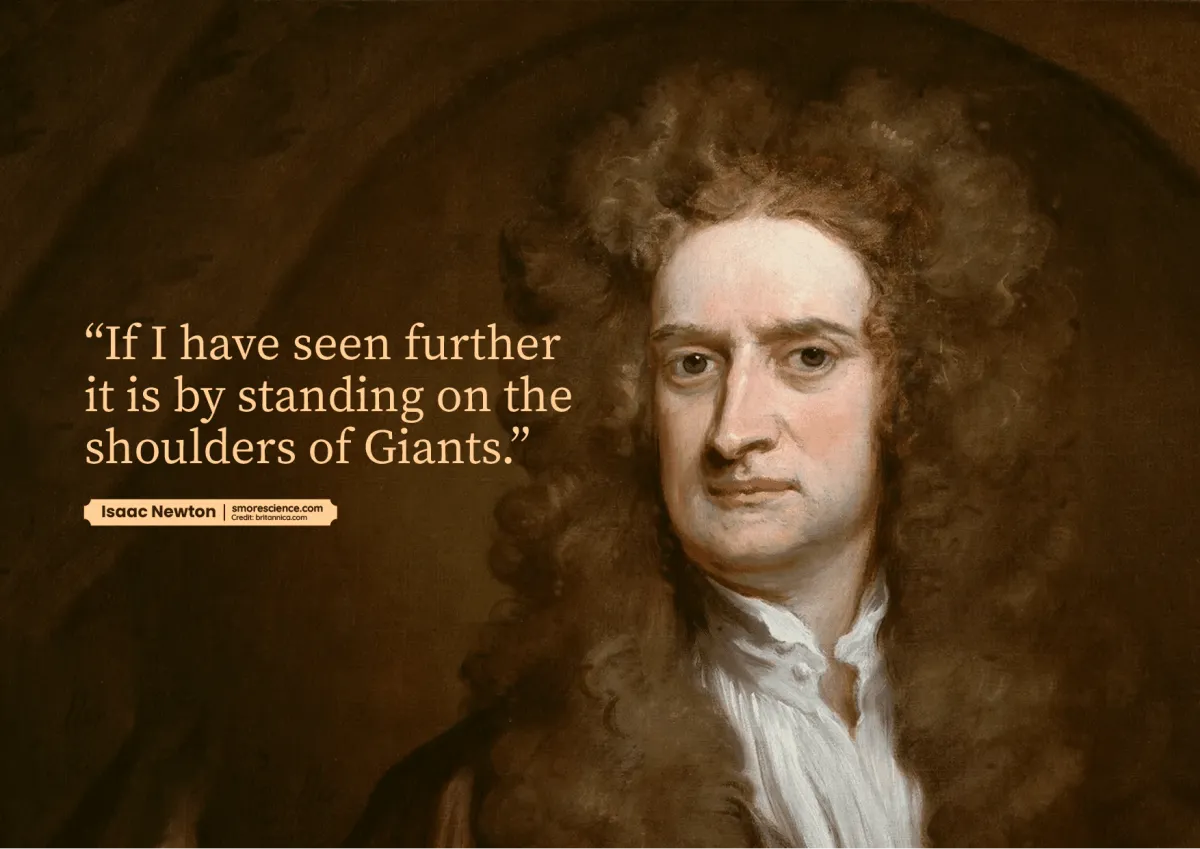 Photo: Isaac Newton, via www.smorescience.com
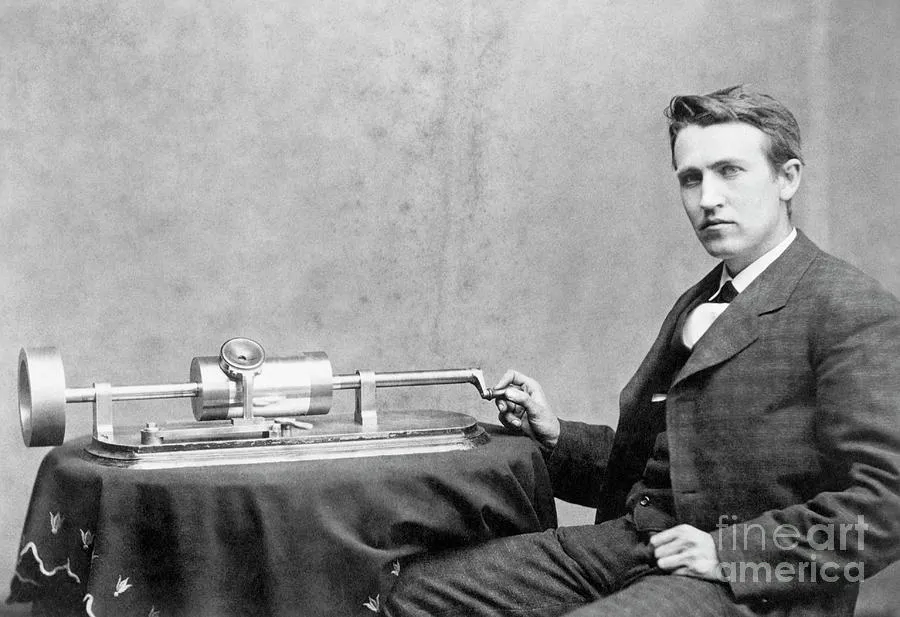 Photo: Thomas Edison, via images.fineartamerica.com
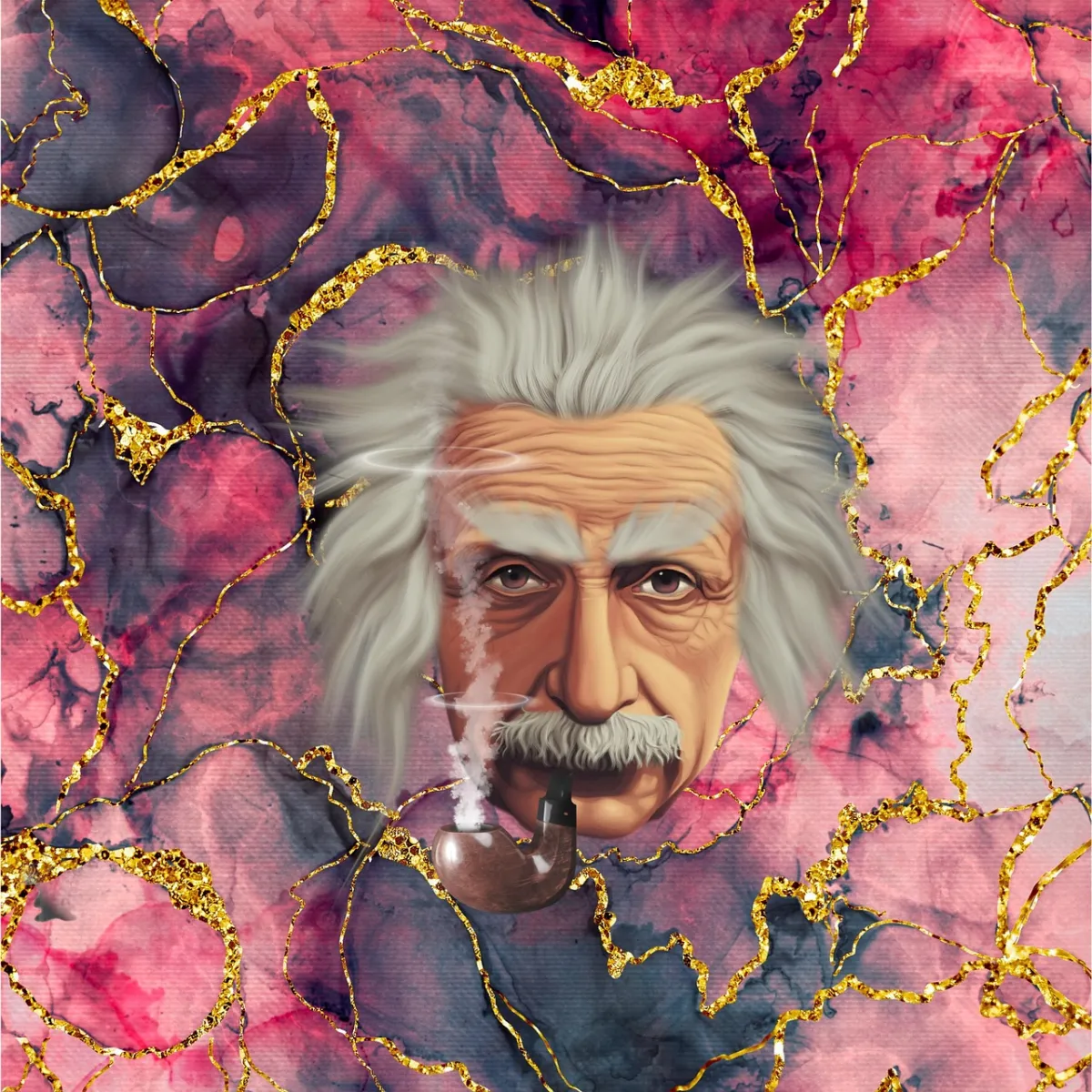 Photo: Albert Einstein, via cdn.pixabay.com
These tales are repeated in classrooms, children's books, and motivational speeches worldwide. They're meant to inspire. Instead, they're teaching us exactly the wrong lessons about how innovation actually works.
The Einstein Myth That Won't Die
Let's start with Einstein's supposed math troubles. This story is so persistent that Einstein himself once responded to it, saying, "Before I was fifteen I had mastered differential and integral calculus."
The myth likely stems from confusion about Swiss grading systems. When Einstein took the entrance exam for the Swiss Federal Polytechnic at age 16 (two years younger than typical), he excelled in math and physics but struggled with languages and humanities. He was admitted after completing an additional year of schooling.
Far from being a poor student, Einstein was a mathematical prodigy who taught himself advanced calculus as a teenager. The real story — of exceptional early talent combined with unconventional thinking — gets lost in our preferred narrative of the struggling underdog.
Edison's Lonely Genius Problem
The Thomas Edison lightbulb story is even more misleading. Popular accounts suggest Edison single-handedly invented the incandescent bulb through individual determination, famously saying he "found 10,000 ways that won't work."
In reality, Edison worked with a team of skilled engineers and scientists at his Menlo Park laboratory — what he called his "invention factory." The incandescent bulb was developed by multiple inventors across several countries. Edison's team improved on existing designs and, crucially, developed the electrical infrastructure to make electric lighting practical.
Edison's real genius wasn't solitary invention but organizing collaborative innovation and understanding commercial applications. But that's a much more complex story than "brilliant individual overcomes failure through persistence."
Newton's Apple: The Power of Sudden Inspiration
The Newton apple story promotes perhaps the most damaging myth of all: that breakthrough discoveries happen in sudden moments of inspiration to isolated geniuses.
Newton himself helped create this myth, describing how seeing an apple fall led him to understand gravity. But this account came decades after his discoveries, and modern scholars doubt its accuracy.
The real development of Newton's theories took over 20 years of painstaking mathematical work, building on ideas from Galileo, Kepler, and other scientists. Gravity wasn't a sudden insight but the result of sustained intellectual effort and collaboration with the broader scientific community.
Why We Love These Stories
These simplified narratives persist because they serve psychological needs. The struggling Einstein story suggests that early academic difficulty doesn't predict later success — comforting for students and parents facing educational challenges.
The lone inventor myth appeals to our individualistic culture and makes complex innovations seem more comprehensible. It's easier to imagine one brilliant person having a eureka moment than to understand the messy reality of collaborative scientific progress.
The sudden inspiration story makes breakthroughs seem magical and accessible. Anyone might have that apple-falling-on-head moment that changes everything.
The Real Damage These Myths Cause
But these comforting stories teach dangerous lessons about how innovation actually works.
First, they undervalue preparation and education. If Einstein succeeded despite being bad at math, why should students work hard to master fundamentals? In reality, breakthrough innovation almost always builds on deep expertise in existing knowledge.
Second, they promote the lone genius model over collaboration. Students learn to imagine themselves as future Edisons working alone in garages rather than understanding how modern innovation happens through teams, institutions, and networks.
Third, they suggest that inspiration matters more than perspiration. The apple-falling-on-Newton story implies that good ideas just happen to special people, rather than emerging from sustained effort and systematic thinking.
What the Real Stories Teach
The actual biographies of innovators reveal different patterns that are far more useful for aspiring creators:
Mastery comes first. Einstein, Edison, and Newton all developed extraordinary expertise in their fields before making breakthrough contributions. Innovation builds on deep knowledge, not ignorance.
Collaboration drives progress. Even the most famous "individual" achievements emerged from communities of researchers, inventors, and thinkers sharing ideas and building on each other's work.
Breakthrough takes time. Revolutionary ideas typically develop over years or decades, not in sudden flashes. They require sustained effort, multiple iterations, and learning from failures.
Context matters enormously. Great innovations happen when prepared minds encounter the right problems at the right historical moments, with access to necessary resources and supportive institutions.
The Stories We Should Tell Instead
Imagine if children learned different stories about innovation:
- How Katherine Johnson's mathematical expertise enabled space flight, showing the power of deep technical knowledge
- How the development of GPS required collaboration between physicists, engineers, mathematicians, and military strategists across decades
- How Tim Berners-Lee created the World Wide Web by building on existing internet infrastructure and computer science research
These stories are more complex but teach better lessons about how innovation actually works in the modern world.
The Inspiration We Actually Need
The most inspiring truth about human innovation isn't that it requires magical genius or lucky accidents. It's that breakthrough discoveries emerge from ordinary human qualities — curiosity, persistence, collaboration, and willingness to build on others' work — applied systematically over time.
That's a much more hopeful message than waiting for an apple to fall on your head.
Changing the Narrative
The next time you hear someone repeat the Einstein-failed-math story, gently correct them. Share the real accounts of how scientific breakthroughs actually happen. Celebrate the teams and institutions that enable individual brilliance.
Our children deserve better stories about human achievement — ones that prepare them for the collaborative, knowledge-intensive work of actually changing the world.
The myths we tell about genius shape how the next generation thinks about their own potential. It's time to get those stories right.