Emergency Rooms Swear the Full Moon Makes People Crazy — But Decades of Data Says Otherwise
The Belief Everyone Shares
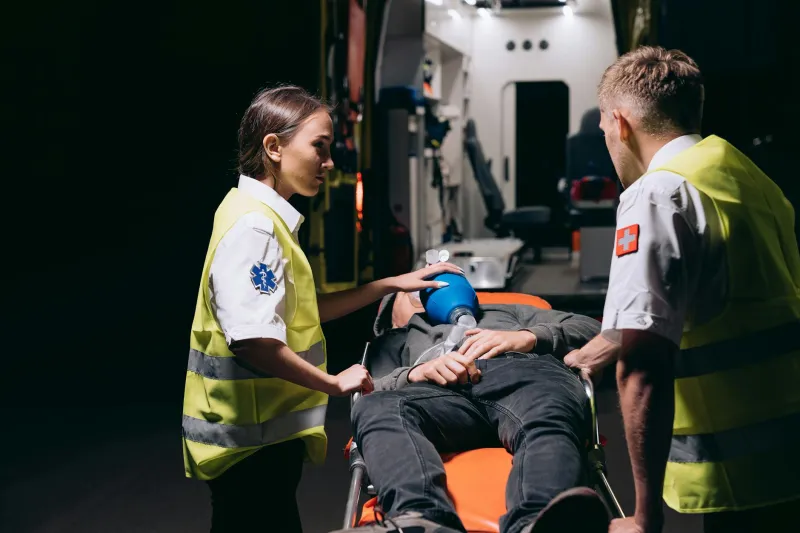
Ask any emergency room nurse, police officer, or middle school teacher about the full moon, and you'll hear the same story. People get aggressive, accidents spike, and chaos reigns. It's so universally believed that hospitals sometimes schedule extra staff during full moon nights, and cops brace for busier shifts.
This isn't some fringe superstition — it's mainstream American folklore that spans professions and generations. About 80% of mental health professionals believe the lunar cycle affects human behavior, according to surveys. The belief feels so obvious that questioning it seems almost silly.
But here's the thing: researchers have been testing the "lunar effect" rigorously since the 1980s, analyzing millions of data points from emergency rooms, police stations, and psychiatric facilities. The overwhelming conclusion? The full moon has virtually no measurable impact on human behavior.
What the Numbers Actually Show
The studies are impressively thorough. Researchers have analyzed emergency room visits across entire cities, tracking everything from heart attacks to psychiatric episodes to car accidents. They've correlated crime statistics with lunar phases, examined birth rates, and even studied suicide attempts.
One landmark study looked at 150,000 emergency room visits over several years in a major metropolitan area. If the full moon effect were real, you'd expect to see clear spikes in visits every 29.5 days. Instead, the data showed random variation — some full moons were busy, others were quiet, with no pattern distinguishing them from any other night.
Another study examined 13 years of police data from a large city, tracking arrests for violent crimes, domestic disturbances, and public intoxication. Again, no lunar correlation. Full moon nights were statistically indistinguishable from new moon nights or any random Tuesday.
The pattern holds across dozens of studies in multiple countries. Researchers have looked at psychiatric hospital admissions, calls to crisis hotlines, and even stock market volatility. The moon's phases consistently show no meaningful relationship to human behavior.
Why Smart People Believe It Anyway
So why do experienced professionals — people who see human behavior at its most extreme — remain convinced the full moon matters? The answer involves several psychological quirks that make this particular myth almost impossible to shake.
First, there's confirmation bias on steroids. When you expect the full moon to bring chaos, you notice chaos more during full moons. That hectic Friday night shift feels connected to the lunar cycle, while the quiet full moon from last month fades from memory. Nurses remember the night when three psychiatric patients arrived during a full moon, but forget the full moon when nothing unusual happened.
The availability heuristic makes it worse. Dramatic events stick in our minds more than ordinary ones. A particularly wild full moon night creates a vivid memory that feels more significant than statistical reality. One chaotic evening can outweigh months of unremarkable full moons in terms of psychological impact.
There's also the clustering illusion — our tendency to see patterns in random events. Human brains are pattern-recognition machines, and we're remarkably good at finding connections even when none exist. If three unusual things happen during a full moon, it feels like evidence of lunar influence rather than normal statistical variation.
The Origins of Lunar Mythology
The full moon-madness connection has deep cultural roots that predate modern emergency rooms. The word "lunacy" comes from the Latin "luna," and the idea that the moon affects mental states appears in ancient Greek, Roman, and medieval European texts.
Part of this made practical sense in pre-electric times. Full moons provided enough light for nighttime activity, so people stayed up later and were more active outdoors. More activity naturally led to more accidents, crimes, and general mayhem — not because the moon changed people's minds, but because it changed their schedules.
The moon's obvious effects on tides seemed to suggest it might affect human bodies too, since we're mostly water. This sounds logical until you consider the physics: tidal forces depend on gravitational differences across distance. The moon's pull on your head versus your feet is trillions of times weaker than the gravitational effect of the chair you're sitting in.
When Belief Becomes Policy
The lunar effect myth isn't just harmless folklore — it sometimes influences real decisions. Some hospitals have historically adjusted staffing based on moon phases, despite no data supporting the practice. Police departments have allocated resources differently during full moons. Mental health facilities have modified protocols based on lunar timing.
This creates a feedback loop that reinforces the myth. If you staff extra nurses during a full moon and the night goes smoothly, it feels like the precaution worked. If you're short-staffed during a new moon and problems arise, it seems to confirm that lunar timing doesn't matter. The belief becomes self-fulfilling in a way that makes it harder to test objectively.
The Power of Professional Culture
Perhaps most importantly, the lunar effect belief persists because it's embedded in professional cultures where people trust each other's experiences. When veteran nurses tell new staff about full moon craziness, they're passing along what feels like hard-won wisdom. When experienced cops warn rookies about lunar patterns, it carries the weight of street credibility.
These aren't gullible people — they're professionals dealing with genuine human crises every day. Their belief in the lunar effect feels earned through direct experience, even when that experience is being filtered through cognitive biases that make random events seem meaningful.
What This Means for You
Understanding the full moon myth matters beyond just correcting misconceptions. It's a perfect example of how intelligent, experienced people can collectively believe something that isn't supported by evidence. It shows how cultural beliefs can persist even when they're regularly tested and found wanting.
This doesn't mean you should dismiss the experiences of emergency room workers or police officers. They're dealing with real patterns of human behavior — just not lunar ones. Crime does spike on certain nights (usually weekends and holidays). Emergency rooms do get overwhelmed during predictable times (flu season, major events, heat waves).
The patterns are real; we've just been looking at the wrong causes.
The Bottom Line
The full moon feels powerful because it's visible, cyclical, and mysterious. It seems like it should affect us, and our brains are eager to find evidence that it does. But four decades of systematic research tells a different story: the moon's phases have no meaningful impact on human behavior, hospital visits, crime rates, or any other measurable aspect of life on Earth.
Next time someone mentions the full moon bringing out the crazy, you'll know you're hearing one of humanity's most persistent myths — one that survives not because it's true, but because it feels true to people whose job is to deal with human chaos on a nightly basis.