Your Mom Was Right About Bundling Up — Just Not for the Reasons She Thought
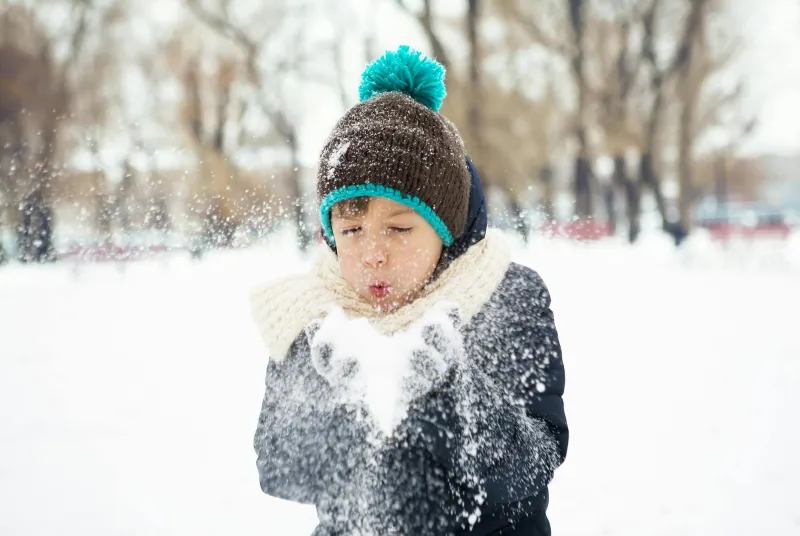
The Great Parental Warning That Never Made Medical Sense
Every American kid has heard it: "Put on your coat or you'll catch your death of cold." "Don't go outside with wet hair — you'll get pneumonia." "Bundle up or you'll be sick tomorrow." For decades, parents have insisted that cold temperatures directly cause illness, while kids (and plenty of adults) have wondered how exactly chilly air could magically summon a virus.
The confusion makes sense. After all, we call them "colds" for a reason, and flu season coincides perfectly with winter's arrival. But here's where the story gets interesting: your parents weren't entirely wrong, even though their explanation was scientifically backwards.
Why Viruses Don't Care About Your Thermostat
Let's start with what doesn't cause illness: being cold. Rhinoviruses, influenza, and other respiratory infections are caused by pathogens — microscopic invaders that couldn't care less whether you're wearing a scarf. You can't "catch" a cold from cold air any more than you can catch measles from red paint.
This basic fact has been established for over a century. In 1958, researchers at the Common Cold Research Unit in Britain conducted experiments where volunteers were deliberately chilled, soaked, and exposed to drafts. The result? People who were exposed to cold conditions but not to viruses stayed perfectly healthy. Meanwhile, those exposed to actual cold viruses got sick regardless of temperature.
Yet the myth persisted, passed down from generation to generation like a genetic trait. Why? Because correlation looked an awful lot like causation.
The Winter Sickness Surge Is Real — Here's the Actual Explanation
Here's where your parents' observations were spot-on: people really do get sick more often when it's cold outside. Respiratory infections spike dramatically during winter months across the Northern Hemisphere. Emergency rooms fill up, schools send kids home with fevers, and office buildings echo with the symphony of coughs and sniffles.
But the real culprits aren't low temperatures — they're the behavioral and biological changes that come with cold weather.
First, we spend more time indoors when it's cold, packed together in heated, poorly ventilated spaces. That grocery store, classroom, or office becomes a perfect petri dish for virus transmission. When someone with the flu coughs in a crowded indoor space, they're not just sharing their germs with one or two people — they're potentially infecting dozens.
Second, winter air is dry air, both outdoors and inside our heated homes and offices. This matters more than most people realize. The mucous membranes in your nose and throat are your first line of defense against respiratory viruses, but they need moisture to function properly. Dry air literally dries out these protective barriers, making it easier for viruses to establish infections.
Your Immune System's Winter Struggle
There's another piece to this puzzle that scientists have only recently begun to understand: cold weather actually can weaken your immune response, just not in the way your grandmother thought.
When you breathe cold air, the temperature inside your nasal passages drops. Recent research has shown that this cooling effect can reduce the effectiveness of your immune cells' antiviral responses by nearly 50%. It's not that being cold makes you sick — it's that being cold makes you more susceptible to the viruses you're already encountering.
Additionally, shorter daylight hours during winter can disrupt sleep patterns and reduce vitamin D production, both of which can compromise immune function. Seasonal depression, holiday stress, and changes in diet during winter months all contribute to a perfect storm of vulnerability.
Why the Myth Won't Die
The "cold weather causes illness" myth persists because it contains just enough truth to seem obviously correct. Parents noticed their kids getting sick after playing outside in winter and drew the most logical conclusion. Medical professionals, for their part, often found it easier to go along with the simplified explanation rather than launch into complex discussions about viral transmission and immune function.
Even today, you'll find doctors who half-heartedly endorse bundling up to "avoid getting sick," not because they believe cold air causes viruses, but because they know that staying warm can help maintain immune function and encourage behaviors that actually do reduce infection risk.
The Practical Truth About Winter Health
So should you ignore your parents' advice and venture into blizzards wearing shorts? Not exactly. While cold temperatures don't directly cause illness, staying warm does support your immune system and encourages smart behaviors like spending less time in crowded indoor spaces.
The real winter health advice is more nuanced: wash your hands frequently, avoid touching your face, maintain good indoor air humidity, get adequate sleep, and yes — dress appropriately for the weather. Not because the cold will make you sick, but because being comfortable and maintaining your body's natural defenses helps you fight off the viruses you're inevitably going to encounter.
Your parents were right that winter means more sickness. They just had the mechanism backwards — and honestly, that's close enough for parenting purposes.